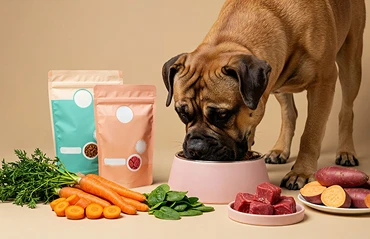






Every pet parent knows the struggle — your furry friend sniffs their food, takes one bite, and walks away. Feeding a picky eater can be frustrating, especially when you want them to get the nutrition they need. The good news? With a few smart adjustments and the right ingredients, even the fussiest pets can learn to enjoy mealtime again.
Let’s explore how to make healthy meals both fresh and irresistible for your selective eater.
1. Find Out Why Your Pet Is Picky
Before you change their diet, try to understand what’s behind the behavior. Picky eating can stem from:
-
Boredom: Eating the same food daily.
-
Texture preference: Some pets prefer crunchy food, others soft.
-
Overfeeding treats: Too many snacks between meals reduce hunger.
-
Health issues: Dental pain, stomach problems, or allergies.
💡 Tip: If your pet’s appetite suddenly drops or they skip meals for more than a day, consult your vet to rule out any medical concerns.
2. Switch to Fresh, Real Ingredients
Fresh food often wins over picky eaters because it’s more aromatic and flavorful. Replace bland kibble with meals made from real meat, vegetables, and healthy grains.
Try including:
-
Lean proteins: Chicken, turkey, fish, or eggs.
-
Colorful veggies: Carrots, peas, pumpkin, or spinach.
-
Wholesome carbs: Brown rice, oats, or sweet potatoes.
-
Healthy fats: Salmon oil or coconut oil for extra taste and nutrition.
💡 Tip: Lightly cook or warm up the food to enhance aroma — pets love the smell of freshly prepared meals.
3. Maintain a Consistent Feeding Routine
Picky eaters often respond well to structure. Feed at the same times every day and remove uneaten food after 15–20 minutes. This builds routine and encourages your pet to eat during mealtime.
💡 Tip: Avoid free-feeding (keeping food out all day). It reduces excitement around meals and encourages fussiness.
4. Mix It Up With Variety
Just like humans, pets enjoy a little variety in their diet. Rotate between flavors and textures to keep things interesting.
-
Alternate protein sources (chicken one week, fish the next).
-
Add fresh toppers like plain yogurt, pumpkin puree, or bone broth.
-
Combine wet and dry food for different textures.
💡 Tip: Introduce new foods slowly to avoid digestive upset.
5. Limit Treats and Table Scraps
While treats are great for training, too many can spoil your pet’s appetite for real meals.
-
Use small, healthy treats like apple slices or boiled chicken pieces.
-
Avoid feeding leftovers from your plate — they can cause imbalanced nutrition and encourage pickiness.
💡 Tip: Treats should make up no more than 10% of your pet’s daily calorie intake.
6. Add Natural Flavor Boosters
You can enhance taste and aroma naturally without compromising nutrition.
-
Drizzle low-sodium chicken broth or salmon oil over meals.
-
Sprinkle a bit of dried liver powder or crushed freeze-dried treats as toppers.
-
For dogs, adding a spoon of unsweetened pumpkin puree can make food more appealing.
💡 Tip: Always avoid salt, garlic, onions, or spices — they’re toxic to pets.
7. Keep Meals Comfortable
Sometimes, the feeding environment affects appetite. Make sure your pet eats in a quiet, stress-free area away from distractions. Use clean bowls and serve food at room temperature or slightly warm — never too cold or straight from the fridge.
💡 Tip: For cats, try shallow, wide bowls to prevent whisker fatigue.
8. Be Patient and Positive
Don’t scold or force-feed your pet — it can make them associate food with stress. Encourage eating with praise and calm energy. Many picky eaters improve once they feel comfortable and curious.
💡 Tip: Stay consistent — sudden changes or frequent switching of brands can make things worse.
Final Thoughts
Feeding a picky eater doesn’t have to be a daily battle. By offering fresh, flavorful, and nutritious meals made with real ingredients — and sticking to a consistent routine — you can turn mealtime into a joyful experience.
Remember, patience and quality nutrition go a long way in helping your pet develop healthy eating habits.
🐾 Fresh food. Happy taste buds. Healthier pets.