




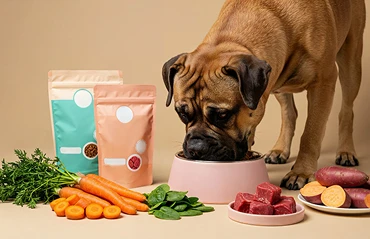
Just like human athletes, active dogs need the right nutrition to stay strong, energetic, and healthy. Whether your dog participates in agility, running, herding, or simply enjoys long outdoor adventures, a well-balanced diet can make all the difference in performance and recovery. Let’s explore the essential nutrition tips every athletic dog owner should know.
1. Prioritize High-Quality Protein
Protein is the foundation of muscle development and repair. For athletic dogs, a diet rich in lean animal protein — such as chicken, turkey, fish, or beef — helps build strength and maintain endurance.
-
Look for foods where real meat is the first ingredient.
-
Ensure your dog’s protein intake comes from easily digestible sources.
-
Avoid fillers like corn gluten or soy, which offer minimal nutritional value.
💡 Tip: After intense activity, a protein-rich meal helps speed up muscle recovery.
2. Include Healthy Fats for Lasting Energy
Fats are the primary energy source for athletic dogs. They provide twice as much energy as carbohydrates and help sustain performance during prolonged exercise.
-
Add omega-3 and omega-6 fatty acids from sources like salmon oil, flaxseed, or chicken fat.
-
These also support joint health, reduce inflammation, and promote a shiny coat.
💡 Tip: Moderate fat levels (15–20% in dry food) are ideal for high-energy dogs.
3. Don’t Skip Complex Carbohydrates
Carbs fuel endurance activities by providing quick and sustained energy. Opt for complex carbs such as:
-
Brown rice
-
Sweet potatoes
-
Barley
-
Oats
Avoid processed or sugary carbs — they can cause energy crashes.
💡 Tip: Dogs who engage in short bursts of high activity (like agility or sprinting) benefit most from balanced carbs.
4. Keep Hydration a Top Priority
Active dogs lose a lot of fluids through panting and movement. Dehydration can quickly lead to fatigue or even serious health issues.
-
Always provide fresh, cool water before and after exercise.
-
For longer sessions, consider electrolyte supplements made specifically for dogs.
💡 Tip: You can add a little unsalted chicken broth to encourage hydration after workouts.
5. Support Joint and Muscle Health
Athletic dogs put extra stress on their joints and muscles. To prevent injuries and stiffness, include nutrients that promote mobility:
-
Glucosamine & Chondroitin for cartilage support
-
Fish oil for inflammation control
-
Antioxidants (vitamin C & E) to fight muscle stress
💡 Tip: Natural treats like bone broth or sardines can support joint recovery and flexibility.
6. Feed Based on Activity Level
Not all active dogs have the same energy needs. A Border Collie herding sheep burns more calories than a Labrador going on daily walks.
-
Adjust portion sizes and calorie intake based on duration, intensity, and frequency of exercise.
-
Watch for weight changes — both excess weight and undernourishment can affect performance.
💡 Tip: Consult your vet before making major diet adjustments for your active dog.
7. Choose the Right Feeding Schedule
Instead of one large meal, divide meals into smaller portions throughout the day. This keeps energy levels stable and prevents stomach upset — especially before workouts.
-
Feed at least 2–3 hours before intense exercise.
-
Offer a light snack after activity to aid recovery.
8. Avoid Over-Supplementation
While supplements can help, too many can do more harm than good. Stick to vet-approved supplements that address specific needs — like joint health, coat care, or digestive support.
Final Thoughts
A well-nourished dog is a happy, high-performing athlete. By focusing on balanced nutrition, hydration, and recovery, you’ll ensure your athletic dog stays strong, energetic, and injury-free. Remember — the right diet fuels not just performance, but also a longer, healthier life.
🐾 Healthy food. Happy energy. Strong performance.